10 Ways To Get A Small Business Loan In USA Easily
Starting or expanding a small business in the United States often requires financial support. Whether it is to purchase equipment, hire employees, manage cash flow, or open a new location, many entrepreneurs eventually need access to business financing. One of the most common solutions is obtaining a small business loan. However, many business owners believe the process is complicated or difficult to navigate.
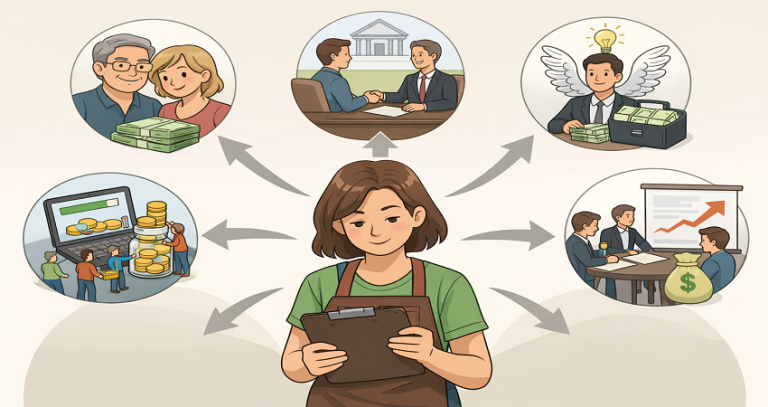
The good news is that small business loans have become more accessible in recent years. Traditional banks, online lenders, government-backed programs, and alternative financing platforms now provide multiple options for entrepreneurs. Understanding these options can significantly increase your chances of getting approved quickly and with better terms.
In this article, we will explore ten practical ways to get a small business loan in the USA easily. These methods are widely used by entrepreneurs and can help both new and established business owners secure the funding they need to grow and operate successfully.
Understand Your Business Loan Needs Before Applying
Before applying for any type of small business loan, it is important to clearly understand why you need the funding. Lenders usually want to know how the money will be used and how it will help your business grow or remain stable. Common reasons for applying for a loan include purchasing inventory, expanding operations, covering operational expenses, or investing in marketing.
Having a clear purpose helps you determine the loan amount required and the type of financing that best fits your situation. It also shows lenders that you have a structured financial plan, which increases your chances of approval.
Apply for SBA Loans
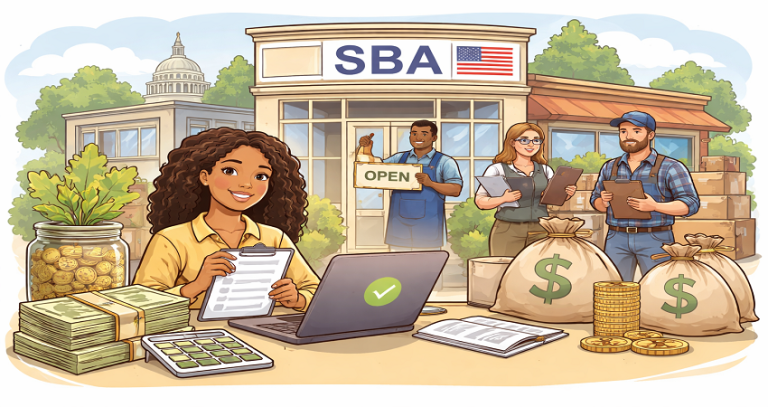
One of the most popular financing options for small businesses in the United States is an SBA loan. These loans are partially guaranteed by the U.S. Small Business Administration, which reduces the risk for lenders and makes it easier for small businesses to qualify.
SBA loans often come with lower interest rates and longer repayment terms compared to many private lenders. Programs such as SBA 7(a), SBA 504, and SBA Microloans are designed to help small businesses access capital even if they have limited financial history. Although the application process may take some time, these loans remain one of the most reliable funding sources.
Use Online Business Lenders
Online lenders have transformed the small business financing landscape. Many digital lending platforms offer fast approvals, simplified applications, and quicker access to funds compared to traditional banks. In some cases, business owners can receive funding within a few days.
These lenders typically evaluate factors such as business revenue, transaction history, and overall financial performance rather than relying solely on credit scores. While interest rates may be slightly higher, online lenders provide flexibility and convenience for businesses that need fast capital.
Consider Business Lines of Credit
A business line of credit works differently from a traditional loan. Instead of receiving a lump sum of money, a lender approves a credit limit that you can draw from whenever needed. You only pay interest on the amount you use.
This financing option is especially useful for managing short-term cash flow issues, seasonal business fluctuations, or unexpected expenses. A line of credit provides flexibility and ensures that your business always has access to working capital when required.
Explore Microloans for Small Startups
Microloans are smaller funding amounts designed specifically for startups and very small businesses. These loans are typically offered by nonprofit organizations, community lenders, and specialized microfinance institutions.
Microloans can range from a few hundred dollars to around $50,000 depending on the program. They are often easier to obtain for entrepreneurs who may not qualify for larger bank loans. In addition to funding, many microloan programs also provide mentoring and business training.
Use Equipment Financing
If your business needs machinery, vehicles, computers, or other specialized equipment, equipment financing can be an effective solution. This type of loan is specifically designed for purchasing business equipment.
The equipment itself often serves as collateral for the loan, which reduces the lender’s risk. As a result, approval may be easier even for businesses with moderate credit history. Equipment financing also allows businesses to preserve their cash flow while investing in essential tools.
Apply Through Community Banks or Credit Unions
Community banks and credit unions can be excellent sources of small business funding. Unlike large national banks, these institutions often focus on building long-term relationships with local businesses.
Because they understand the local economy and community needs, they may be more flexible when evaluating loan applications. Business owners with a strong relationship with their local bank may find it easier to secure favorable loan terms.
Look into Business Credit Cards
Although not technically a traditional loan, business credit cards can provide short-term financing for small expenses, inventory purchases, or operational costs. Many business credit cards offer introductory interest-free periods, rewards programs, and expense tracking tools.
When used responsibly, business credit cards can help manage cash flow and build business credit history. However, it is important to pay balances on time to avoid high interest charges.
Use Invoice Financing or Factoring
Invoice financing is a useful option for businesses that sell products or services on credit. Instead of waiting for customers to pay invoices, businesses can receive immediate funding based on outstanding invoices.
In invoice factoring, a financing company purchases unpaid invoices and provides a percentage of the value upfront. Once customers pay the invoices, the remaining balance is released minus service fees. This method helps businesses maintain steady cash flow without waiting for long payment cycles.
Improve Your Business Credit Score
Your business credit score plays a major role in determining loan approval and interest rates. Lenders use credit scores to evaluate how reliably a business handles financial obligations.
Paying bills on time, maintaining low credit balances, and building a positive payment history can significantly improve your credit profile. A strong credit score not only increases the likelihood of loan approval but also helps secure better financing terms.
Prepare Strong Financial Documents
One of the most effective ways to make the loan process easier is by preparing accurate financial documents. Lenders typically require records such as business bank statements, tax returns, profit and loss statements, and financial projections.
Providing clear and organized documentation shows lenders that your business is financially responsible and well-managed. It also speeds up the application review process, allowing you to receive funding more quickly.
FAQs About Ways To Get A Small Business Loan In USA Easily
1. What is the easiest small business loan to get in the USA?
Online business loans and microloans are generally considered the easiest options to obtain. Many online lenders focus on business revenue and operational performance rather than strict credit requirements. Microloan programs also support small startups and entrepreneurs who may not qualify for traditional bank loans.
2. How much money can a small business borrow?
The amount a business can borrow depends on several factors including revenue, credit score, years in operation, and loan type. Microloans may provide up to $50,000, while SBA loans can reach several million dollars. The lender evaluates financial stability before determining the loan amount.
3. Do I need good credit to get a small business loan?
While good credit improves your chances of approval, it is not always mandatory. Some lenders offer financing options for businesses with average or limited credit history. Alternative lenders and revenue-based financing programs may focus more on cash flow rather than credit scores.
4. How long does it take to get a business loan approved?
The approval timeline varies depending on the lender and loan type. Traditional bank loans may take several weeks or even months. Online lenders, however, may approve applications within a few days and release funds shortly after approval.
5. Can startups qualify for small business loans?
Yes, startups can qualify for certain types of financing such as microloans, startup grants, crowdfunding, or SBA-backed programs. However, startups may need to provide a strong business plan and financial projections to demonstrate the potential success of the business.
6. What documents are required for a small business loan?
Common documents include business tax returns, bank statements, profit and loss statements, business licenses, and identification documents. Some lenders may also require a business plan or financial projections to evaluate the company’s future potential.
7. What is the difference between secured and unsecured business loans?
A secured business loan requires collateral such as property, equipment, or inventory. This reduces the lender’s risk and may result in lower interest rates. Unsecured loans do not require collateral but may come with higher interest rates due to the increased risk for lenders.
8. Are SBA loans better than traditional bank loans?
SBA loans are often considered more favorable because they typically offer lower interest rates and longer repayment periods. However, the application process can be more detailed. Traditional bank loans may offer faster approvals for businesses with strong financial history.
9. Can I get multiple small business loans at the same time?
Yes, businesses can have multiple loans simultaneously if their financial capacity allows it. However, lenders will carefully evaluate existing debt obligations before approving additional financing to ensure the business can manage repayment responsibly.
10. How can I increase my chances of loan approval?
To improve approval chances, maintain a strong credit profile, prepare accurate financial documents, create a solid business plan, and demonstrate consistent revenue. Choosing the right lender and loan type for your business situation also plays an important role.
Conclusion
Obtaining a small business loan in the United States is more achievable today than ever before. With multiple funding options such as SBA loans, online lenders, microloans, and business lines of credit, entrepreneurs have access to a wide range of financial solutions.
By understanding your funding needs, improving your financial profile, and choosing the right lending option, you can significantly increase your chances of securing a loan quickly and efficiently.
Careful planning and responsible financial management will help ensure that the funding supports long-term business growth and stability.