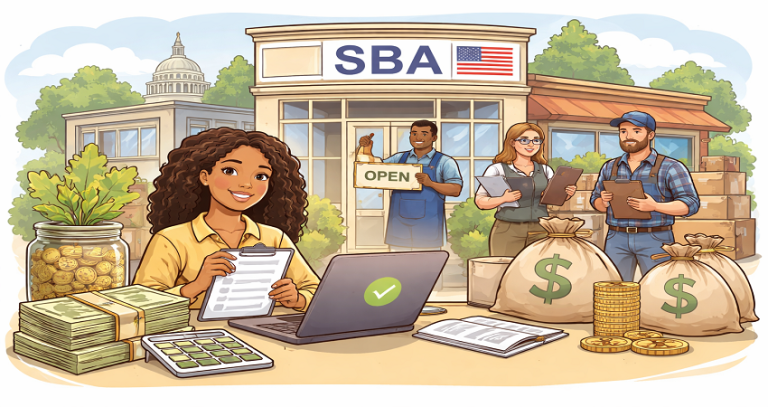
15 Best Small Business Grants In USA For Startups In 2026
Starting a new business is exciting, but one of the biggest challenges entrepreneurs face is funding. Many startups struggle to secure capital during the early stages, especially when traditional financing options such as bank loans or venture capital are difficult to obtain. This is where small business grants become extremely valuable. Unlike loans, grants do not require repayment, making them an attractive option for startups trying to establish themselves in a competitive market.
In the United States, a wide range of organizations, government agencies, and private corporations offer grants specifically designed to support startups and small businesses. These grants often aim to encourage innovation, support underrepresented entrepreneurs, and stimulate economic growth. For startup founders in 2026, understanding the available grant opportunities can significantly increase the chances of securing non-repayable funding.
This guide explores the 15 best small business grants in the USA for startups in 2026. Each grant program has different eligibility requirements, funding amounts, and application processes. By learning about these options, entrepreneurs can identify which opportunities best align with their business goals and growth strategies.
Why Small Business Grants Are Important for Startups?
Small business grants provide startups with financial support that does not require repayment, which can significantly reduce financial pressure during the early stages of business development. Unlike traditional loans, grants allow entrepreneurs to invest in product development, marketing, hiring, and operations without worrying about accumulating debt.
Grants also encourage innovation and entrepreneurship. Many grant programs specifically target businesses developing new technologies, sustainable solutions, or community-focused initiatives. By offering financial support, these programs help promising ideas grow into successful businesses.
For startups that lack strong credit history or collateral, grants can be one of the few accessible funding sources available. This makes them especially valuable for first-time founders, minority entrepreneurs, and women-owned businesses.
How Small Business Grants Work in the United States?
Small business grants are typically offered by federal and state governments, nonprofit organizations, and large corporations. Each grant program has specific eligibility criteria, which may include industry type, business size, location, or founder background.
The application process usually requires entrepreneurs to submit detailed information about their business, including a business plan, financial projections, and how the grant funds will be used. Some grants may also involve pitch competitions or interviews.
Competition for grants can be intense, but well-prepared applications with clear goals and a strong business vision often have higher chances of success. Understanding the requirements of each program is essential before applying.
1. Small Business Innovation Research (SBIR) Program
The Small Business Innovation Research (SBIR) program is one of the most well-known federal grant programs in the United States. It supports small businesses that are engaged in scientific research and technological innovation.
The program is designed to encourage startups to participate in federal research and development projects. Businesses working in areas such as healthcare, artificial intelligence, energy, and defense technologies can benefit greatly from SBIR grants.
Funding amounts vary depending on the project phase, but some businesses receive hundreds of thousands of dollars to develop and commercialize innovative technologies.
2. Small Business Technology Transfer (STTR) Program
The Small Business Technology Transfer program focuses on collaboration between small businesses and research institutions such as universities or federal laboratories. The goal is to move scientific discoveries from research labs into commercial markets.
Startups that partner with academic institutions to develop new technologies often qualify for STTR funding. This grant program encourages innovation by combining academic expertise with entrepreneurial vision.
Funding levels are similar to the SBIR program and can support various stages of research and product development.
3. Amber Grant for Women Entrepreneurs
The Amber Grant is a popular funding opportunity specifically created to support women entrepreneurs. Every month, one woman-owned business receives a grant to help grow or launch their company.
The program also awards larger annual grants to selected winners, providing even more financial support for promising women-led startups. The application process is relatively simple, making it accessible for many new entrepreneurs.
This grant is especially helpful for early-stage businesses that need initial funding to develop products, marketing strategies, or business operations.
4. National Association for the Self-Employed (NASE) Growth Grants
The National Association for the Self-Employed offers growth grants to small business owners and freelancers looking to expand their businesses. These grants can be used for various purposes, including marketing, hiring employees, or purchasing equipment.
Applicants must demonstrate how the funding will contribute to the growth and sustainability of their business. While the grant amounts may be smaller than some federal programs, they can still provide valuable financial support.
5. FedEx Small Business Grant Contest
The FedEx Small Business Grant Contest is one of the most well-known corporate grant competitions for small businesses in the United States. Entrepreneurs submit applications explaining their business ideas, growth strategies, and how the grant funds would help them scale.
Selected winners receive substantial financial grants along with additional business support services. The competition also provides valuable exposure for participating businesses.
This grant is particularly attractive for startups looking to expand operations or invest in logistics and distribution improvements.
6. Visa Everywhere Initiative
The Visa Everywhere Initiative supports startups that develop innovative solutions related to digital payments and financial technology. Entrepreneurs participate in a global competition where they present ideas designed to improve payment systems and financial services.
Winning startups receive grant funding, industry mentorship, and opportunities to collaborate with global financial networks.
7. Comcast RISE Investment Fund
The Comcast RISE program provides grants and business support to small businesses, particularly those owned by minority entrepreneurs. In addition to funding, selected businesses receive marketing consultations, technology upgrades, and media exposure.
This program focuses on helping underserved communities grow their businesses and contribute to local economic development.
8. SBA Community Advantage Grants
The Small Business Administration offers several programs that provide funding assistance and grants to startups. Community-focused programs often support businesses located in underserved areas or those contributing to community development.
These grants aim to encourage entrepreneurship in regions that need economic growth and job creation.
9. USDA Rural Business Development Grants
The USDA Rural Business Development Grant program supports startups operating in rural areas across the United States. These grants are designed to promote economic development and support businesses that create jobs in rural communities.
Funding may be used for training, equipment purchases, business planning, and operational improvements.
10. Cartier Women’s Initiative Awards
The Cartier Women’s Initiative is an international grant program that supports women entrepreneurs who are building innovative and socially impactful businesses.
Selected startups receive significant financial grants, mentorship opportunities, and access to a global network of entrepreneurs and investors.
11. Hello Alice Small Business Grants
Hello Alice offers a variety of grant programs designed to help small businesses grow and succeed. The platform partners with major corporations and organizations to provide funding opportunities throughout the year.
Entrepreneurs can apply for multiple grants through the platform and access additional resources such as business guides and mentorship.
12. IFundWomen Universal Grant Application
IFundWomen provides grants and crowdfunding opportunities specifically for women-led businesses. The platform connects entrepreneurs with corporate partners that sponsor grant programs for startups.
Applicants can submit a universal grant application that may qualify them for multiple funding opportunities.
13. Minority Business Development Agency Grants
The Minority Business Development Agency offers grants and programs designed to support minority-owned businesses across the United States.
These grants aim to help minority entrepreneurs access funding, expand operations, and compete in larger markets.
14. Patagonia Corporate Grants Program
The Patagonia corporate grant program focuses on businesses and organizations that promote environmental sustainability. Startups developing eco-friendly products or solutions may qualify for funding.
The program supports initiatives that address climate change, conservation, and environmental protection.
15. State-Level Small Business Grant Programs
Many U.S. states offer their own grant programs to support local entrepreneurs. These programs vary by state and may target specific industries such as technology, manufacturing, or agriculture.
Startup founders should explore state economic development websites to discover regional funding opportunities that align with their business goals.
Tips for Increasing Your Chances of Winning a Business Grant
Applying for grants can be competitive, so preparation is extremely important. Entrepreneurs should clearly explain their business model, target market, and growth strategy in their applications.
A well-structured business plan, realistic financial projections, and a clear explanation of how the grant funds will be used can significantly improve the chances of success. Many grant reviewers look for businesses with strong potential for impact and sustainability.
Entrepreneurs should also apply to multiple grant programs instead of relying on a single opportunity. This increases the likelihood of securing funding.
FAQs About Best Small Business Grants In USA
1. What is a small business grant?
A small business grant is a form of financial assistance provided by governments, corporations, or nonprofit organizations to support entrepreneurs and startups. Unlike loans, grants do not need to be repaid, making them highly valuable for early-stage businesses that require funding to grow.
2. Who qualifies for startup grants in the United States?
Eligibility requirements vary depending on the grant program. Some grants are available to all small businesses, while others target specific groups such as women entrepreneurs, minority founders, technology startups, or rural businesses.
3. Are small business grants difficult to obtain?
Yes, grants can be competitive because many entrepreneurs apply for limited funding opportunities. However, startups with strong business plans, clear goals, and innovative ideas often have a better chance of receiving grant funding.
4. Do startups have to repay grant money?
No, grant funding does not require repayment. However, recipients must usually follow specific rules regarding how the funds are used and may need to report progress or outcomes to the grant provider.
5. How much funding can startups receive from grants?
The amount varies widely depending on the grant program. Some grants provide a few thousand dollars, while federal research grants such as SBIR can provide hundreds of thousands of dollars for innovative projects.
6. Where can entrepreneurs find small business grant opportunities?
Entrepreneurs can find grant opportunities through government websites, business development organizations, corporate programs, and specialized platforms that list available funding opportunities for startups.
7. Can new businesses apply for grants without revenue?
Yes, many grant programs are designed specifically for early-stage startups that may not yet have significant revenue. These programs focus more on the potential impact and feasibility of the business idea.
8. How long does the grant application process take?
The timeline varies depending on the program. Some grants announce winners within a few weeks, while others may take several months due to evaluation and review processes.
9. Can a startup apply for multiple grants at the same time?
Yes, startups can apply for multiple grant opportunities simultaneously. In fact, applying to several programs increases the chances of securing funding from at least one source.
10. What documents are usually required for grant applications?
Most grant applications require documents such as a business plan, financial projections, company registration details, and a detailed explanation of how the grant funding will be used to grow the business.
Conclusion
Small business grants can play a crucial role in helping startups launch, grow, and succeed without the burden of debt. In 2026, entrepreneurs in the United States have access to a wide range of grant opportunities offered by government agencies, corporations, and nonprofit organizations.
By researching available programs, preparing strong applications, and applying to multiple opportunities, startup founders can significantly improve their chances of securing valuable funding. For many entrepreneurs, a single grant can provide the financial boost needed to turn a promising idea into a successful and sustainable business.