Starting and growing a small business in the United States can be both exciting and challenging. With thousands of businesses competing in almost every industry, small business owners must adopt smart and effective marketing strategies to stand out. Marketing is not just about promoting products or services; it is about building trust, creating brand awareness, and forming lasting relationships with customers.
Many small business owners struggle with limited budgets and resources, making it essential to focus on marketing strategies that truly deliver results. Instead of spending money on random advertising methods, successful businesses rely on proven techniques that generate leads, attract customers, and increase revenue over time.
In this article, we will explore 12 marketing strategies for small businesses in the USA that actually work. These strategies are practical, affordable, and suitable for startups as well as growing companies. Whether you run a local shop, an online store, or a service-based business, these marketing approaches can help you reach more customers and grow sustainably.
1. Build a Professional and User-Friendly Website
A professional website is the foundation of modern marketing. In the United States, most customers search online before making a purchase decision. If your business does not have a well-designed website, potential customers may choose your competitors instead.
Your website should be mobile-friendly, fast-loading, and easy to navigate. Important information such as services, contact details, pricing, and customer reviews should be clearly visible. A well-optimized website also helps businesses rank higher in search engines like Google, bringing consistent organic traffic without ongoing advertising costs.
2. Focus on Local SEO
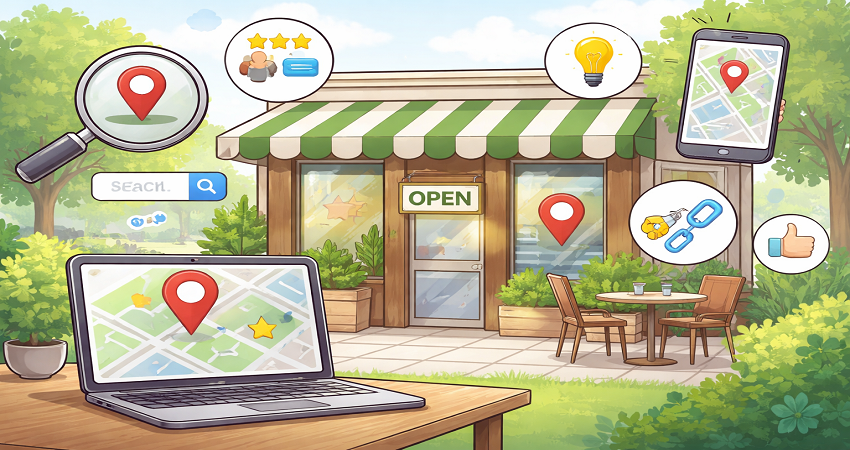
Local search engine optimization is one of the most powerful marketing strategies for small businesses in the USA. Many customers search for services using phrases like “near me” or by city name. If your business appears in those search results, you can attract highly targeted customers.
Optimizing your Google Business Profile, collecting positive customer reviews, and including location-based keywords on your website can significantly improve local search rankings. Local SEO is especially beneficial for restaurants, repair services, clinics, salons, and retail stores.
3. Use Social Media Marketing Effectively
Social media platforms such as Facebook, Instagram, LinkedIn, and TikTok offer powerful opportunities for small businesses to connect with their audience. Instead of focusing only on sales, businesses should share valuable and engaging content.
Posting helpful tips, behind-the-scenes updates, product demonstrations, and customer success stories can build trust and brand awareness. Consistent posting and interaction with followers help create a loyal online community around your brand.
4. Invest in Content Marketing
Content marketing focuses on providing valuable information that attracts potential customers. Blog articles, guides, videos, and tutorials can position your business as an authority in your industry.
For example, a small home improvement company could publish articles about maintenance tips, renovation ideas, or cost-saving solutions. This type of content helps businesses rank in search engines while educating potential customers and building credibility.
5. Leverage Email Marketing
Email marketing remains one of the most cost-effective marketing strategies for small businesses. Building an email list allows you to communicate directly with interested customers without relying on social media algorithms.
Businesses can send newsletters, special promotions, product updates, and educational content to keep their audience engaged. Personalized emails often generate higher open rates and stronger customer relationships.
6. Encourage Customer Reviews and Testimonials
Customer reviews play a major role in influencing purchasing decisions. Many consumers in the United States rely heavily on online reviews before choosing a business.
Encouraging satisfied customers to leave reviews on platforms like Google, Yelp, and Facebook can boost credibility and improve search visibility. Positive testimonials also serve as powerful social proof that builds trust among new customers.
7. Use Paid Advertising Strategically
While organic marketing is important, paid advertising can deliver faster results when used strategically. Platforms such as Google Ads and Facebook Ads allow businesses to target specific audiences based on location, interests, and demographics.
Small businesses should start with a modest budget and focus on highly targeted campaigns. Tracking performance and optimizing ads regularly can ensure better return on investment.
8. Partner With Local Businesses
Collaboration with other local businesses can expand your reach without large marketing expenses. Partnering with complementary businesses allows both parties to promote each other’s services.
For example, a fitness center might collaborate with a nutrition coach, or a wedding photographer might partner with event planners. These partnerships help businesses access new audiences and strengthen local networks.
9. Offer Referral Programs
Referral marketing encourages existing customers to recommend your business to others. Since people trust recommendations from friends and family, referral programs often generate high-quality leads.
Businesses can offer discounts, rewards, or exclusive perks to customers who refer new clients. This strategy not only brings new customers but also strengthens customer loyalty.
10. Utilize Video Marketing
Video content has become one of the most engaging forms of online marketing. Short videos explaining products, demonstrating services, or sharing customer experiences can capture attention quickly.
Platforms like YouTube, Instagram Reels, and TikTok make it easier for small businesses to reach large audiences. Video marketing helps simplify complex information and builds stronger emotional connections with viewers.
11. Participate in Community Events
Community involvement can significantly improve brand recognition for small businesses. Participating in local events, trade shows, charity programs, and networking gatherings allows businesses to interact directly with potential customers.
These events provide opportunities to showcase products, answer questions, and build relationships within the local community. Personal interactions often create stronger trust than digital marketing alone.
12. Track and Analyze Marketing Performance
Successful marketing requires continuous improvement. Small businesses should regularly analyze their marketing performance to understand what works and what does not.
Tools like Google Analytics, social media insights, and email marketing reports help track customer behavior and campaign effectiveness. By analyzing data, businesses can refine their strategies and focus on the most profitable marketing channels.
FAQs About Marketing Strategies For Small Business In USA
1. Why is marketing important for small businesses in the USA?
Marketing helps small businesses attract customers, build brand awareness, and compete with larger companies. Without effective marketing, even high-quality products or services may remain unnoticed. Strategic marketing allows businesses to reach the right audience and establish long-term customer relationships.
2. What is the most cost-effective marketing strategy for small businesses?
Content marketing and local SEO are among the most cost-effective strategies. They require time and effort but can generate consistent organic traffic without ongoing advertising costs. Email marketing is also highly affordable and provides strong returns when used properly.
3. How can small businesses compete with larger companies?
Small businesses can compete by focusing on personalized customer experiences, strong community connections, and niche markets. Unlike large corporations, small businesses often have the flexibility to build closer relationships with customers and adapt quickly to market changes.
4. Is social media necessary for small business marketing?
While not mandatory, social media significantly enhances brand visibility and customer engagement. Platforms like Facebook and Instagram allow businesses to interact with customers, share updates, and promote products in a more informal and engaging way.
5. How long does it take to see results from marketing efforts?
The timeline varies depending on the strategy used. Paid advertising can produce results within days, while strategies like SEO and content marketing may take several months. Consistency and patience are essential for long-term marketing success.
6. What role does customer trust play in marketing?
Customer trust is a critical factor in purchasing decisions. Positive reviews, testimonials, transparent communication, and high-quality service help build credibility. Businesses that maintain trust often benefit from repeat customers and word-of-mouth recommendations.
7. How can small businesses build a strong brand identity?
A strong brand identity includes a clear mission, consistent messaging, recognizable visual design, and reliable customer service. Businesses should communicate their values and unique selling points consistently across websites, social media, and marketing materials.
8. Should small businesses invest in digital marketing?
Yes, digital marketing is essential in today’s online-driven marketplace. Strategies such as search engine optimization, social media marketing, and email campaigns allow businesses to reach broader audiences and track marketing performance effectively.
9. What is the benefit of referral marketing?
Referral marketing leverages existing customer relationships to attract new clients. Since people trust recommendations from friends and family, referred customers often have higher trust and conversion rates compared to traditional advertising leads.
10. How can small businesses measure marketing success?
Marketing success can be measured through metrics such as website traffic, lead generation, conversion rates, customer retention, and return on investment. Regularly analyzing these metrics helps businesses understand which strategies are most effective.
Conclusion
Marketing plays a vital role in the growth and sustainability of small businesses in the United States. By implementing effective strategies such as local SEO, content marketing, social media engagement, and referral programs, businesses can attract more customers and build long-term success.
The key is consistency and adaptability. Small businesses that continuously evaluate their marketing performance and focus on providing value to customers are more likely to thrive in a competitive marketplace. With the right strategies and dedication, even a small business can achieve significant growth and recognition.